
[Latest Updates]: 100 Days That Redefined Tanzania's Mineral Sector
Tarehe : Feb. 2, 2026, 4:13 p.m.
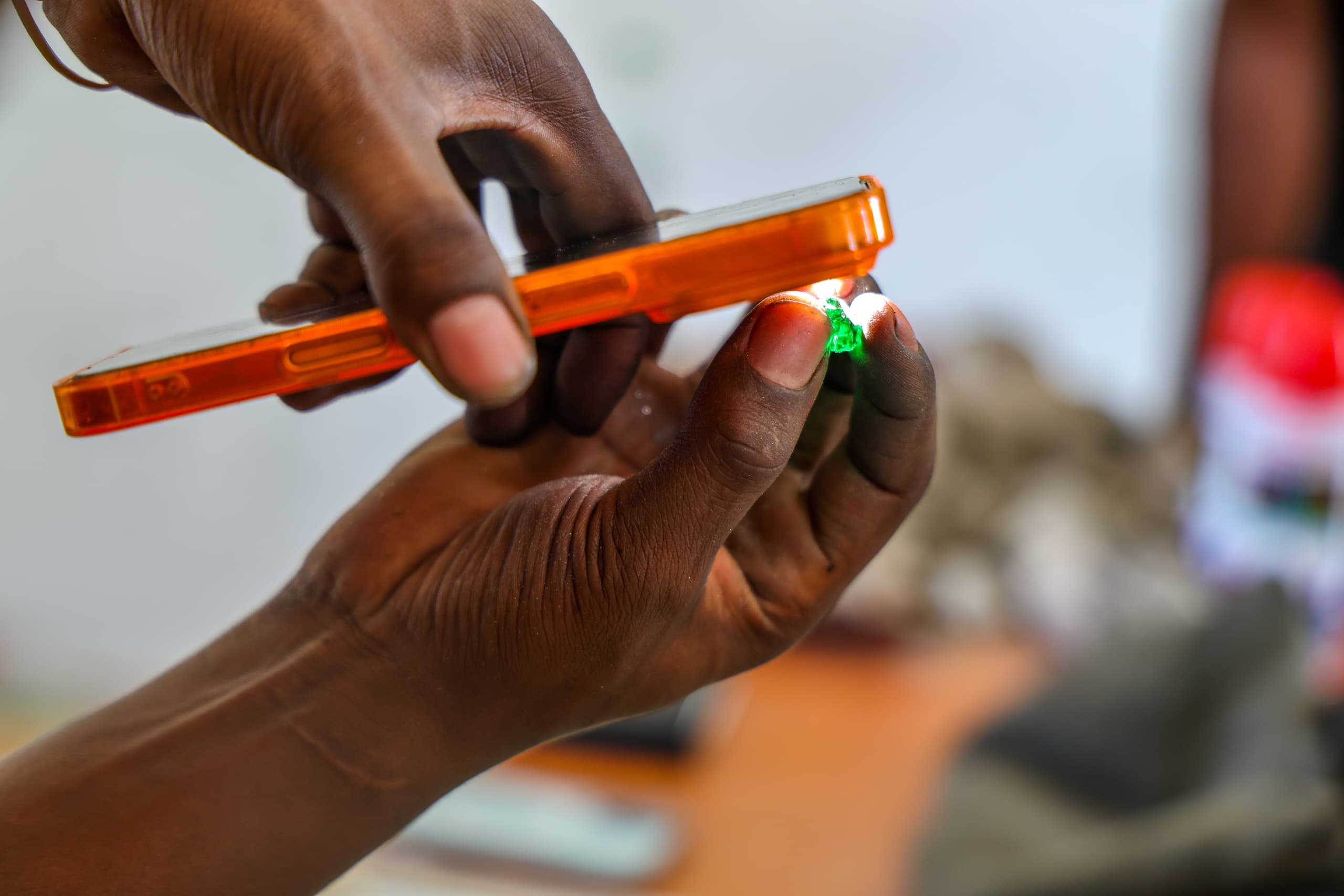
President Samia’s Strategic Reforms Propel Tanzania onto the Global Economic Stage
In just 100 days of leadership under H.E. President Dr. Samia Suluhu Hassan, Tanzania’s mining sector has undergone a profound transformation, positioning itself as one of the most compelling examples of strategic economic reform in Africa. Driven by clear vision, policy consistency, and globally oriented execution, the sector has evolved into a cornerstone of national development and international competitiveness.
These reforms extend far beyond headline revenue figures. They represent a structural reorientation of the mining industry based on value addition, strong governance, local participation, technological modernization, and a deliberate effort to elevate Tanzania’s standing in the global minerals value chain.
Revenue Growth and Expanding Economic Contribution
Recent performance data illustrates a decisive and positive shift. Between November 2025 and January 25, 2026, the mining sector collected TZS 311 billion, achieving 103% of its targeted revenue throughout that period, this outcome reflects significant improvements in regulatory oversight, transparency, and operational efficiency across mining activities.
On a broader scale, government revenue from mining has grown remarkably from TZS 526 billion in Financial Year 2020/2021 to over TZS 1.071 trillion in FY 2024/2025. For the ongoing FY 2025/2026, the sector has been assigned an ambitious target of TZS 1.2 trillion, underscoring growing confidence in its performance and sustainability.
Equally notable is the sector’s contribution to Gross Domestic Product (GDP), which has increased from 10.1% to 12% within just 100 days. This rapid expansion places Tanzania among a select group of African nations that are effectively leveraging mineral resources to drive inclusive and resilient economic growth.
Local Content: Centering Tanzanians in the Mining Economy
One of the most transformative achievements has been the strengthening of Local Content policies. Through revisions to the 2018 Mining Regulations, the government has ensured that employment, procurement, and service provision within mining operations primarily benefit Tanzanians.
Employment data highlights this impact clearly. The number of Tanzanians employed in mines rose from 6,668 in 2018 to over 18,800 by 2024, accounting for more than 97% of total mining jobs nationwide.
On the procurement front, local purchasing increased to 88% by 2024, up from 62% in 2018. This shift has dramatically reduced dependence on imported goods and services while retaining capital within the domestic economy.
The secondary effects have been substantial, stimulating growth in local manufacturing, construction, transport, energy, and professional services, and creating employment well beyond the mining sites themselves.
Value Addition and Industrialization: Breaking the Raw-Material Cycle
Aligned with the 2009 Mineral Policy, the government has accelerated investment in mineral processing and value-addition industries, signalling a clear departure from the historical export of unprocessed minerals.
The Dodoma Region has emerged as a new hub for value addition, hosting nine mineral processing plants and four metallic mineral facilities, including copper and nickel operations. Meanwhile, through STAMICO, a salt-processing plant serving Lindi and Mtwara regions has reached 99% completion, ensuring minerals are commercialized at a significantly higher value.
These developments mark a critical shift toward industrial depth, export diversification, and higher domestic returns from mineral resources.
Empowering Artisanal and Small-Scale Miners
Artisanal and small-scale mining, which supports over six million Tanzanians along the mineral value chain, has been strategically positioned as a driver of grassroots economic transformation. The government has procured 15 modern rock-drilling machines, issued 511 mining licenses to small-scale groups in Geita and Shinyanga, and facilitated TZS 30 billion in financing through financial institutions.
Additionally, plans to deploy large-scale CIP plants capable of processing 120 tonnes per hour, alongside the establishment of a credit guarantee fund, are laying the foundation for safer, more productive, and environmentally responsible mining practices.
Mega Projects and Global Market Positioning
A landmark development is Tanzania’s imminent entry into ferro-niobium production through the Songwe-Panda Hill Project in Mbeya, with an estimated investment exceeding TZS 1 trillion. Once operational, the project will place Tanzania among the world’s leading producers of this strategically important mineral used in steel manufacturing and advanced technologies.
Concurrently, preparations for high-resolution airborne geophysical gold surveys in Nzega and Kahama, in partnership with Barrick Gold, signal renewed momentum for large-scale exploration and investment following the official launch of helicopter-based surveys by the Minister for Minerals Ho. Anthony Mavunde.
Gold Reserves, Clean Energy, and Economic Resilience
Through the Bank of Tanzania, the acquisition of over 17 tonnes of gold has positioned Tanzania among the top ten African countries by gold reserves, strengthening macroeconomic stability and enhancing international financial credibility.
Complementing this, the production of “Rafiki Briquettes,” a clean cooking fuel derived from coal via STAMICO, supports the clean energy transition, reduces deforestation, and aligns mining activities with environmental sustainability goals.
Conclusion: A Structural Economic Breakthrough
From a strategic standpoint, President Samia’s first 100 days have transformed the mining sector into a core engine of economic reform, job creation, and international credibility. Tanzania is no longer positioning itself merely as a source of raw minerals but as a value-driven, technology-enabled, and citizen-centered mining economy.
These outcomes are not incremental gains; they constitute a structural economic breakthrough with durable benefits for current and future generations, firmly anchoring Tanzania on the global mining and investment map.
by: madini
Latest News
Biteko atoa wito Mabenki ya ndani kuungana kukope…
Waziri wa Madini, Doto Biteko ameyataka Mabenki ya ndani kushirikiana ili kuweza kuzikopesha kampun…
by: madini on: April 23, 2021, 5:11 a.m.
Ukusanyaji wa Maduhuli Sekta ya Madini Wafikia As…
Mwenyekiti wa Tume ya Madini, Profesa Idris Kikula amesema kuwa katika kipindi cha mwezi Julai, 202…
by: madini on: April 28, 2021, 12:51 p.m.
Aliyoyasema Katibu Mkuu wa Wizara ya Madini, Adol…
’Nimeona Nyuso Zenye Furaha , Amani na Utulivu’’ Ninayo furaha kuwa nanyi hapa ili tuanze safari hi…
by: madini on: Jan. 10, 2022, 2:55 p.m.
Tume ya Madini Yaagizwa Kutafuta Masoko
Naibu Waziri wa Madini, Dkt. Steven Kiruswa ameiagiza Tume ya Madini kutafuta Masoko ya wanunuzi wa…
by: madini on: Jan. 30, 2022, 9:32 a.m.
Contact Us
Permanent Secretary,Ministry of Minerals,
Madini Street,
Government City, Mtumba
P. O. Box 422,
Dodoma, Tanzania
Email: ps@madini.go.tz